
Large windows, while offering stunning views, often present unique challenges when it comes to window treatments. This comprehensive guide delves into the world of blinds for large windows, exploring various types, installation strategies, and aesthetic considerations. From maximizing light control and privacy to optimizing energy efficiency and ensuring safety, we’ll navigate the complexities of dressing these expansive windows.
Choosing the right blinds for large windows is crucial. Different types offer varying levels of light control, privacy, and aesthetics. Understanding these nuances is key to creating a space that is both beautiful and functional.
Types of Blinds for Large Windows
Large windows, often a defining feature of modern architecture, demand specialized window treatments. Choosing the right blinds is crucial for optimizing light control, privacy, and the overall aesthetic appeal of the space. This analysis delves into various blind types, considering their suitability for large windows, and comparing their performance in key areas.Window treatments for large windows need to be durable, maintain their visual appeal over time, and be relatively easy to maintain.
Selecting the right type of blind is essential to balancing these requirements.
Venetian Blinds
Venetian blinds, with their horizontal slats, offer precise light control. Adjustable slats allow for the customization of light filtering. These blinds are generally easy to install, and come in a wide variety of materials. Their durability depends heavily on the material, with aluminum being more resistant to wear and tear than wood. Maintaining Venetian blinds involves regular dusting and occasional cleaning.
Wood Venetian blinds, while aesthetically pleasing, require more care due to their susceptibility to moisture damage. Polyester and other synthetic materials provide a balance between durability and ease of maintenance.
Roman Blinds
Roman blinds, known for their elegant folds, are particularly well-suited for large windows. Fabric options range from sheer materials for diffused light to heavier fabrics for complete privacy. Their aesthetic appeal is often a key factor in choosing Roman blinds. Durability varies greatly based on the fabric. Linen and cotton fabrics, while elegant, may require more frequent cleaning and maintenance.
Polyester and other synthetic blends are more durable and easier to clean.
Roller Blinds
Roller blinds, featuring a continuous fabric roll, are a popular choice for their simplicity and light control. A wide array of materials and colors are available, allowing for a customized look. The durability of roller blinds varies greatly with the fabric and the construction of the mechanism. Heavier materials can withstand wear and tear better, and they require less frequent maintenance than lighter fabrics.
For large windows, opting for durable, waterproof fabrics can improve longevity and ease of upkeep.
Cellular Blinds
Cellular blinds, often referred to as honeycomb blinds, excel at insulation and light control. Their unique cellular structure traps air, reducing heat transfer and improving energy efficiency. The aesthetic quality of cellular blinds can vary from modern to traditional, depending on the chosen material. Durability is often linked to the construction materials. Some cellular blinds are made of PVC, which is resistant to moisture and wear.
Maintenance involves regular dusting and occasional cleaning.
Panel Blinds
Panel blinds, composed of vertical panels, offer a sleek, modern aesthetic. They are ideal for large windows that require maximum light control and privacy. The materials used in panel blinds can vary significantly, impacting their durability and maintenance requirements. Fabric panel blinds can provide a luxurious look, but may require more frequent cleaning and care. Aluminum and other synthetic materials offer a more durable and easier-to-maintain option.
Comparison Table
| Blind Type | Ease of Installation | Price Range | Maintenance |
|---|---|---|---|
| Venetian | Medium | Medium | Medium |
| Roman | Medium | Medium-High | Medium-High |
| Roller | Easy | Low-Medium | Low-Medium |
| Cellular | Medium | Medium-High | Medium |
| Panel | Medium-High | High | Medium-High |
Sizing and Installation for Large Windows
Precise sizing and meticulous installation are paramount for large window blinds to function effectively and aesthetically. Incorrect measurements can lead to a poor fit, hindering the blinds’ functionality and detracting from the overall window treatment. Furthermore, a poorly installed system can compromise the structural integrity of the window frame, leading to costly repairs. This section details the critical aspects of sizing and installation, ensuring a seamless and durable outcome.Accurate measurements are fundamental to achieving a perfect fit for large window blinds.
This is crucial for maximizing the blinds’ functionality and minimizing any potential issues. The meticulous approach Artikeld here ensures optimal results, with a focus on preventing common errors.
Accurate Measurement Techniques
Accurate measurements are essential for a proper fit. Ignoring this step can result in blinds that are too tight or too loose, impacting both functionality and aesthetics. Employing the correct techniques minimizes potential errors and ensures a seamless installation.
- Multiple Measurements: Taking multiple measurements across the width and height of the window is crucial. This ensures the blind can accommodate variations in the window’s dimensions. For instance, a window with a slight bow or uneven frame will benefit from multiple measurements to ensure the blind will fit snugly without pulling or buckling.
- Precise Dimensions: Record measurements with precision, noting the exact width and height of the window frame. Use a measuring tape for accurate results. Consider using a laser measuring tool for increased precision.
- Frame Considerations: Account for any protruding elements such as window trim or decorative moldings. These elements must be factored into the measurements to ensure a proper fit and avoid potential interference with the blind mechanism.
- Allowances for Overlap: Calculate the necessary overlap for the blind’s hardware and mounting components. A minimum overlap is essential to allow for the blind’s operation and prevent damage to the window frame or the blind itself.
Selecting the Right Hardware and Accessories
The choice of hardware and accessories significantly impacts the installation’s efficiency and the blind’s longevity. The selection process should prioritize compatibility with the window’s size and the chosen blind type.
- Hardware Compatibility: Choose hardware that is specifically designed for the type of blind and the window’s characteristics. For instance, heavy-duty hardware might be required for large, expansive windows. This ensures the blinds can withstand the strain of operation.
- Mounting Brackets: Select brackets appropriate for the window frame material (e.g., wood, vinyl, or metal). Compatibility is key for a stable and secure installation.
- Additional Accessories: Consider additional accessories like valances or decorative hardware to complement the blinds. These accessories add a touch of elegance to the overall design. Their integration must be considered in the initial measurements to avoid conflicts during installation.
Mounting Options for Large Windows
Various mounting options are available for large windows, each with its own advantages and disadvantages. Careful consideration of the window’s structure and the desired functionality is essential.
- Inside Mounting: Mounting blinds inside the window frame is a common approach, offering a clean aesthetic. This option requires accurate measurements and ensures the blinds are not obstructed by the frame or trim. This method is often preferred for its streamlined appearance.
- Outside Mounting: Mounting blinds outside the window frame extends the blind’s reach and can be suitable for windows with limited space. This method may require specialized hardware and careful consideration of the window’s exterior structure.
- Direct to the Window: Direct mounting onto the window itself is suitable for certain window types. This method requires a thorough understanding of the window’s construction and the appropriate hardware. This option is optimal when the window’s frame is unsuitable for other mounting methods.
Step-by-Step Installation Guide
A structured installation process is vital for a durable and effective system. This method ensures the blinds are properly fitted and the installation is completed efficiently.
- Preparation: Gather all necessary materials, including the blinds, hardware, and accessories. Ensure the window is clean and free from obstructions.
- Marking: Mark the mounting locations on the window frame or the window itself, aligning the markings with the blind hardware. Ensure the measurements are accurate.
- Mounting: Securely attach the hardware to the window frame using appropriate mounting brackets. Ensure the hardware is firmly secured and aligned with the markings.
- Blinds Attachment: Carefully attach the blinds to the hardware according to the manufacturer’s instructions. Ensure the blinds are properly aligned and positioned.
- Final Adjustments: Make any necessary adjustments to the blinds and hardware to ensure a smooth operation. Double-check for any gaps or misalignments.
Light Control and Privacy
Large windows, while offering stunning views, often present challenges in managing light and privacy. Effective window treatments are crucial for creating a comfortable and personalized interior environment. Choosing the right blinds is paramount for controlling natural light penetration, ensuring privacy, and managing the temperature of a space.The selection of blinds for large windows should be carefully considered, factoring in the level of light control required, the desired privacy, and the aesthetic appeal the blinds will contribute to the overall room design.
Different blind types offer varying degrees of light filtration, privacy, and ease of use. Understanding these distinctions is essential for achieving optimal results.
Mechanisms for Light Control
Various mechanisms are employed to achieve varying levels of light control with large window blinds. These mechanisms range from simple light-blocking properties to sophisticated systems involving motorized adjustments and automated responses to changing light conditions. Venetian blinds, for example, use slats that tilt to control the amount of light passing through. Roller blinds, on the other hand, utilize a fabric that can be completely drawn over the window to block all light.
Effect of Blind Types on Privacy
Different blind types offer varying degrees of privacy. For instance, sheer curtains or blinds allow natural light to filter through while maintaining a degree of privacy. Solid-colored or patterned blinds, conversely, provide more substantial privacy. The density of the material and the type of construction of the blind directly affect the level of privacy. For example, densely woven materials will offer more privacy than sheer fabrics.
Adjusting Blinds for Optimal Light and Privacy
Proper adjustment of blinds is key to maximizing light and privacy control. This involves strategically positioning the slats or fabric to filter light effectively. Adjusting the position of the blinds can also influence the perception of privacy. For example, angling blinds to face away from the line of sight of onlookers can significantly enhance privacy. Furthermore, the use of blinds can effectively manage the amount of glare entering a room, reducing eye strain and enhancing the visual comfort of the occupants.
Controlling Glare and Heat with Blinds
Blinds play a significant role in controlling glare and heat. By strategically adjusting the position of the slats or fabric, occupants can reduce the amount of direct sunlight entering a space, thereby minimizing glare and mitigating the heat buildup. For example, tilting Venetian blinds away from the sun can significantly reduce glare and heat penetration. This, in turn, can save energy costs and contribute to a more comfortable indoor environment.
Comparison of Light Filtering Capabilities
| Blind Type | Light Filtering Capability | Privacy Level |
|---|---|---|
| Venetian Blinds | Adjustable; allows varying degrees of light | Moderate to High; dependent on slat density and angle |
| Roller Blinds | Complete light blockage with opaque fabrics; adjustable light filtration with sheer fabrics | High with opaque fabrics; Moderate with sheer fabrics |
| Roman Shades | Adjustable; allows varying degrees of light; often made of sheer or opaque fabrics | Moderate to High; dependent on fabric type |
| Cellular Shades | Excellent light insulation; high light blocking capability | High |
Blinds are not only about light control; they are also about thermal comfort and energy efficiency.
Materials and Durability
Large window blinds, crucial for both aesthetics and functionality, vary significantly in their construction materials. Choosing the right material is paramount, influencing not only the initial cost but also the long-term performance and lifespan of the blinds. Durability, resistance to fading, and ease of maintenance all factor into the overall value proposition.Selecting blinds for large windows requires careful consideration of the materials’ inherent properties.
Different materials offer varying levels of light control, privacy, and resistance to environmental factors, ultimately affecting the blinds’ longevity. Climate conditions play a critical role, as certain materials perform better in specific environments. Understanding these factors is key to making an informed decision that aligns with both aesthetic preferences and practical needs.
Wood Blinds
Wood blinds, a classic choice, are known for their natural beauty and timeless appeal. They often come in various wood species, each with its own unique grain and color. The durability of wood blinds depends heavily on the type of wood used and the quality of the finish. Well-maintained wood blinds can last for many years, offering a substantial return on investment.
However, wood is susceptible to moisture damage and warping, making it less ideal for high-humidity environments. Regular cleaning and periodic refinishing are essential to maintaining the beauty and longevity of wood blinds. For instance, teak or cedar, with their inherent resistance to rot and decay, are better choices for humid climates than softer woods like pine.
Aluminum Blinds
Aluminum blinds are a popular choice for their affordability and durability. They are lightweight, easy to clean, and resistant to moisture, making them suitable for various climates. Their resistance to warping and damage from moisture makes them an excellent choice for high-humidity environments. The smooth surface of aluminum blinds is easy to clean, reducing the need for extensive maintenance.
However, aluminum blinds might not offer the same level of light control or privacy as other options, and they can sometimes reflect light in a way that might not be ideal for every room. A variety of finishes and colors are available, allowing for customization.
Faux Wood Blinds
Faux wood blinds, made from composite materials, offer a balance between the aesthetic appeal of wood and the durability of vinyl. These blinds are often crafted from high-density polymers, making them resistant to warping, moisture, and insect infestations. This durability translates into a longer lifespan compared to natural wood. They require minimal maintenance, reducing the need for frequent refinishing.
However, the material might not possess the same natural warmth as wood. For instance, faux wood blinds made from PVC or high-quality composite materials are suitable for various climates, including those with high humidity.
Vinyl Blinds
Vinyl blinds are a budget-friendly option, known for their resilience and low maintenance. They are resistant to moisture, mildew, and warping, making them suitable for humid environments. The smooth surface of vinyl blinds is easy to clean, requiring minimal effort for upkeep. However, vinyl blinds might not offer the same aesthetic appeal as wood or faux wood blinds, and they can sometimes appear less substantial.
For areas with high humidity or frequent exposure to moisture, vinyl blinds can be a reliable and cost-effective solution.
Cellular Shades
Cellular shades, also known as honeycomb shades, are designed with a unique cellular structure that traps air. This air pocket significantly improves insulation, reducing energy costs and providing excellent light control. Their durability varies based on the material used, with high-quality cellular shades made from durable fabrics offering a long lifespan. Regular vacuuming or gentle wiping is usually sufficient to maintain their appearance.
Cellular shades can be a particularly good choice for climates with significant temperature fluctuations.
Styles and Aesthetics

Blinds, once relegated to a purely functional role, are now recognized as powerful design elements that can significantly impact the aesthetic appeal of any room, particularly those boasting expansive windows. Their versatility extends beyond simple light control, allowing homeowners to tailor the ambiance and style of their space to their personal preferences. Choosing the right style and color for large windows can transform a room from ordinary to extraordinary.Beyond practicality, blinds contribute a layer of sophistication and visual interest.
Careful selection can enhance the overall architectural design, creating a harmonious blend of function and form. The interplay of light, shadow, and texture, determined by the chosen blind, significantly alters the mood and atmosphere of a room. This section explores the diverse world of blind styles and how they can elevate the aesthetics of large windows.
Modern Styles
Modern architecture often prioritizes clean lines, minimalism, and a focus on functionality. Blinds that complement this aesthetic are typically characterized by their simplicity and neutral color palettes. Roller shades, with their smooth, uninterrupted surface, and sheer, light-filtering materials, are ideal. Alternatively, slatted blinds in sleek, matte finishes, such as aluminum or painted wood, can create a contemporary, modern look.
Incorporating these blinds into a modern home can achieve a sense of sophistication and understated elegance.
Contemporary Styles
Contemporary styles, while related to modern design, often incorporate a more playful, sometimes experimental, approach to form and color. This approach can manifest in blinds with unusual textures, like woven bamboo or textured fabrics, or even unique shapes and configurations. For instance, cellular shades, with their honeycomb-like structure, can offer both insulation and visual interest. These blinds can enhance the visual appeal of a space, allowing for a blend of functionality and artistic expression.
Traditional Styles
Traditional architectural designs often feature more ornate and detailed features. Blinds for these spaces should reflect the same level of refinement. Wooden Venetian blinds, in rich, warm tones like mahogany or cherry, can seamlessly integrate with the existing design. Alternatively, roman shades with intricate fabrics, such as damask or brocade, can create a luxurious and inviting atmosphere.
The careful selection of these blinds ensures the space feels classic and timeless.
Rustic Styles
Rustic design often embraces natural materials and earthy tones. Blinds that fit this style include woven wood shades, crafted from natural materials like bamboo or reeds. These blinds offer a connection to the outdoors, bringing a touch of nature indoors. The warm, natural tones of these blinds create a sense of calm and tranquility, perfectly complementing the rustic aesthetic.
Consider also plantation shutters in natural wood finishes for a truly rustic look.
Aesthetic Layouts
Designing effective layouts for large window blinds involves considering the room’s overall style and the amount of light and privacy needed. A good layout enhances the visual appeal of the room while maintaining its functionality. Here are a few examples:
- Modern Living Room: A minimalist modern living room with large windows benefits from sleek, light-filtering roller shades or matte aluminum Venetian blinds. These blinds provide a sense of openness and allow natural light to flood the space without compromising privacy. The neutral color palette of the blinds harmonizes with the overall modern design.
- Traditional Dining Room: A traditional dining room with large windows can be enhanced with rich-toned wooden Venetian blinds or intricate roman shades. The warm tones of the blinds complement the traditional furniture and create a warm and inviting ambiance, suitable for formal dining experiences. These blinds provide privacy while maintaining a sense of grandeur.
- Contemporary Bedroom: A contemporary bedroom with large windows can be styled with cellular shades or textured fabric roman shades. The unique textures of these blinds add visual interest while providing optimal light control. Consider light, airy colors for a sense of spaciousness and tranquility.
Ultimately, the choice of blind style, color, and texture should reflect the homeowner’s personal taste and complement the overall architectural design. The right blinds can dramatically improve the aesthetic appeal of a room, creating a space that is both beautiful and functional.
Energy Efficiency
Large windows, while offering stunning views, can significantly impact a building’s energy efficiency. Properly installed window treatments, like blinds, play a crucial role in mitigating these effects. Careful selection and placement of blinds can drastically reduce energy consumption and lower utility bills.Blinds effectively regulate the transfer of heat between the interior and exterior environments. This regulation, in turn, minimizes the need for energy-intensive heating and cooling systems, directly impacting the overall energy efficiency of the building.
By strategically controlling solar gain and heat loss, blinds create a more comfortable and sustainable indoor climate.
Impact on Heat Gain and Loss
Blinds act as a dynamic barrier against solar radiation, modulating the amount of heat entering a building. During the summer, blinds can deflect incoming solar rays, preventing excessive heat gain and keeping the interior cooler. Conversely, during winter, blinds can be strategically positioned to maximize solar heat gain, reducing the need for supplemental heating. This dynamic control over heat flow is a key aspect of energy efficiency.
Temperature Regulation
Properly selected and installed blinds significantly contribute to maintaining a consistent indoor temperature. By effectively blocking or allowing solar radiation, blinds help prevent extreme temperature fluctuations, thereby reducing the energy demands on HVAC systems. This translates into a more comfortable living environment and reduced energy bills.
Effect on Energy Bills
The impact of blinds on energy bills is substantial. Studies have shown that energy savings from strategically used blinds can be significant, especially in regions with extreme temperature variations. By reducing the need for heating and cooling, blinds directly translate into lower utility costs, representing a substantial return on investment. For example, a home with large south-facing windows in a hot climate can see a substantial decrease in air conditioning costs by implementing appropriate window coverings.
Material Comparison
The energy efficiency of blinds is directly linked to the material used in their construction. Different materials exhibit varying degrees of insulation and light-blocking capabilities. A comparative analysis of energy efficiency ratings for various blind materials is presented below.
| Blind Material | Insulation Value (Approximate) | Light Blocking Efficiency (Approximate) | Energy Efficiency Rating (Scale of 1-5, 5 being highest) |
|---|---|---|---|
| Wood | 3 | 4 | 4 |
| Aluminum | 2 | 3 | 3 |
| Bamboo | 4 | 4 | 4.5 |
| Cellular Shades | 5 | 5 | 5 |
| Fabric (heavy) | 3.5 | 4 | 4 |
Note: Insulation values and light blocking efficiencies are approximate and can vary based on specific blind design and construction.
Safety and Security Considerations
Large windows, while offering stunning views, often present unique safety challenges. Properly selected and installed blinds are crucial for mitigating these risks, especially in homes with children or pets. Careful consideration of safety features is paramount, particularly when dealing with high-risk areas.Ensuring the safety and security of occupants is a primary concern when selecting and installing window treatments for large windows.
This involves not only the aesthetic appeal but also the potential hazards associated with various blind types and installation methods. Childproofing and secure mounting are critical to prevent accidents and ensure peace of mind.
Safety Features of Child-Safe Blinds
Child safety is paramount when choosing blinds for large windows. Specific features are designed to prevent entanglement and accidental injuries. These include cord-free designs, break-away cords, and secure mounting systems. Cordless blinds are a preferred choice for high-traffic areas or homes with young children.
Installation for Safety and Security
Safe installation is just as important as the choice of blinds. Properly anchoring blinds to the window frame is critical to prevent them from falling or becoming a hazard. Using appropriate hardware and adhering to manufacturer instructions is crucial for a secure installation. Incorrect installation can lead to blind cords becoming accessible to children or pets, posing a significant safety risk.
Blind Selection for High-Risk Areas
High-risk areas, such as those near stairwells or play areas, demand extra attention when selecting blinds. Consider features like heavy-duty materials, secure mounting mechanisms, and child-safe designs. In these cases, cordless or alternative systems that eliminate cords altogether are recommended. This approach minimizes the potential for accidents and injuries.
Safety Hazards Associated with Certain Blind Types
Certain blind types pose specific safety risks. Corded blinds, if not properly installed or maintained, can present entanglement hazards. Heavy cords can be a serious choking hazard for young children and pets. The presence of easily accessible cords is a significant concern, demanding careful consideration and appropriate measures for child safety. Additionally, certain materials or styles may require specific precautions, such as heavier-duty brackets for more robust installation.
Secure Mounting Methods
Using appropriate mounting methods is critical for the safety and security of large window blinds. Adequate anchoring and securing the blind to the window frame prevent accidental tipping or falling. Incorrect mounting can lead to the blinds becoming dislodged or falling, posing a risk to those below. Heavy-duty brackets and fasteners are recommended for added stability, particularly for larger blinds or high-risk areas.
Ensure that mounting hardware is compatible with the window frame material.
Budget Considerations
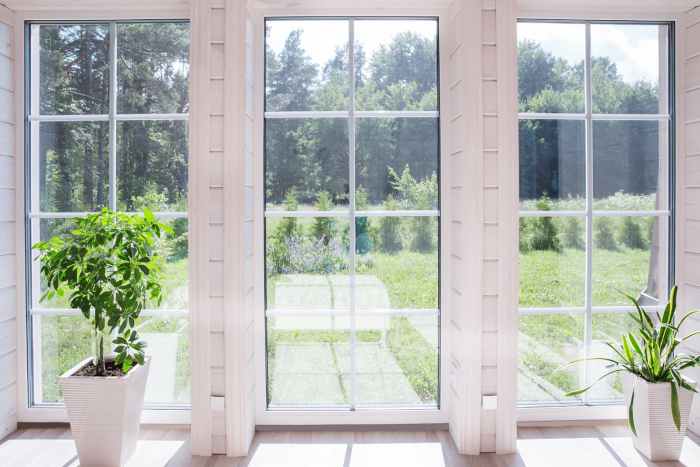
The cost of window blinds can vary significantly, depending on the type, size, material, and features. Understanding the price spectrum is crucial for homeowners seeking to balance aesthetics, functionality, and budget constraints. This section explores the diverse price ranges for various blind types, highlighting budget-friendly options and factors influencing overall costs.
Price Ranges of Different Blind Types
Different blind types cater to diverse needs and budgets. Venetian blinds, a classic choice, typically fall in a mid-range price point. Roman blinds, with their elegant folds, often command a higher price compared to Venetian blinds. Roller blinds, a popular and versatile option, usually sit in the lower to mid-range of the spectrum. Motorized blinds, offering convenience and sophisticated control, tend to be more expensive than their manual counterparts.
Smart blinds, integrating with home automation systems, often carry the highest price tag.
Budget-Friendly Options for Large Windows
Several budget-friendly options are available for large windows without compromising functionality or aesthetic appeal. Faux wood blinds, mimicking the look of real wood at a lower cost, are a practical choice. Fabric-based roller blinds, with a variety of colors and patterns, offer a diverse aesthetic range while remaining a more affordable option. Aluminum blinds, lightweight and durable, provide an economical solution for larger windows, although their aesthetic may be less sophisticated than wood or faux wood options.
Consider these options if cost is a major concern.
Factors Influencing Blind Prices for Large Windows
The price of blinds for large windows is affected by several key factors. The size of the window is a primary determinant, with larger windows necessitating more material and potentially more complex installation. The material used significantly influences the cost, with premium wood or bamboo blinds typically commanding a higher price than their less expensive counterparts. Customizability, such as intricate designs or specialized features, adds to the final cost.
Installation complexity, including the need for specialized tools or labor, can also influence the price. Finally, the brand reputation and warranty can affect the final price.
Cost-Effective Installation Methods
Homeowners can explore cost-effective installation methods for large window blinds. Installing blinds themselves, if comfortable with the task, can significantly reduce labor costs. Seeking competitive quotes from local installers can help identify the best value. Considering DIY kits, particularly for simpler blind types like roller blinds, can be a budget-friendly option. Choosing a straightforward installation method, such as hanging blinds directly on the window frame, can be a more cost-effective alternative to more complex installation scenarios.
Price Range Table
| Blind Type | Material | Features | Price Range (USD) |
|---|---|---|---|
| Venetian | Wood | Standard | $150-$400 |
| Venetian | Faux Wood | Standard | $80-$250 |
| Roman | Fabric | Standard | $200-$600 |
| Roller | Fabric | Standard | $50-$200 |
| Motorized | Faux Wood | Motorized, Remote Control | $250-$800 |
| Smart | Fabric/Faux Wood | Smart Features, Automation | $400-$1500+ |
Note: Prices are estimates and can vary based on size, customization, and location.
Maintenance and Cleaning
Maintaining large window blinds requires a proactive approach to prevent deterioration and preserve their aesthetic appeal. Neglecting regular upkeep can lead to a decline in both the blinds’ functionality and their visual appeal, impacting the overall value and comfort of a space. Proper cleaning methods and a well-defined schedule are crucial for longevity and optimal performance.
Cleaning Methods for Different Blind Types
Regular cleaning is essential to maintain the quality and appearance of blinds. Different blind types necessitate specific cleaning methods to avoid damage. Fabric blinds, for example, require a different approach than metal or wooden blinds. Understanding these distinctions is key to preserving the integrity of your investment.
- Venetian Blinds: Venetian blinds, often made of wood or aluminum, benefit from dust removal using a soft-bristled brush or a vacuum cleaner with a brush attachment. For stubborn stains, a damp cloth with a mild detergent can be used. Avoid excessive water or harsh chemicals that could damage the finish.
- Roman Blinds: Fabric Roman blinds require careful cleaning. Spot clean any stains with a damp cloth and mild detergent. For more thorough cleaning, consider professional dry cleaning services to avoid potential shrinkage or damage to the fabric.
- Roller Blinds: Roller blinds, typically made of fabric or vinyl, can be cleaned with a vacuum cleaner or a soft cloth dampened with a mild detergent solution. For stubborn stains, carefully spot clean with a damp cloth and a mild detergent, avoiding harsh scrubbing.
- Panel Blinds: Panel blinds, often made of fabric, benefit from gentle cleaning methods. Vacuuming or dusting with a soft-bristled brush can remove surface dirt. For more persistent stains, spot clean with a damp cloth and mild detergent.
Cleaning Large Window Blinds
Cleaning large window blinds presents unique challenges due to their size and potential access issues. Strategic planning and the appropriate tools are essential for efficient and safe cleaning. Consider using a long-handled duster or a telescopic pole for easier access to upper sections.
- Reach and Access: Using extension poles or ladders is necessary for reaching high areas. Ensure proper safety precautions are taken when using elevated equipment. Consider professional cleaning services for particularly large or hard-to-reach blinds.
- Step-by-Step Procedure: Begin by detaching or lowering the blinds as much as possible. Vacuum or dust the blinds thoroughly using a brush attachment or a soft-bristled brush. For stubborn stains, use a damp cloth with a mild detergent solution, focusing on spot cleaning. Thoroughly dry the blinds after cleaning to prevent water damage or mildew.
Specific Cleaning Solutions
The appropriate cleaning solution depends heavily on the material of the blinds. Using the wrong cleaning agent can damage the finish or warp the material. Experimenting with cleaning solutions on a small, inconspicuous area before applying them to the entire blind is crucial.
- Wood Blinds: A mixture of mild dish soap and warm water can be used to clean wood blinds. Use a soft cloth to apply and wipe clean. Always dry thoroughly with a clean cloth to prevent water spots.
- Aluminum Blinds: A solution of mild dish soap and warm water is also suitable for aluminum blinds. Avoid harsh chemicals that can damage the finish. Ensure the blinds are completely dry after cleaning to prevent rust.
- Fabric Blinds: For fabric blinds, use a solution of mild detergent and lukewarm water. Always test in an inconspicuous area first. Avoid excessive moisture that can damage the fabric.
Proper Cleaning Techniques
Employing the right cleaning techniques prevents damage to the blinds. Rushing or using abrasive materials can scratch or warp the blinds. Gentle, controlled movements are essential for preserving the quality of your blinds.
- Avoid Harsh Chemicals: Use mild detergents or cleaning solutions specifically designed for blinds to prevent damage to the material or finish. Test solutions in an inconspicuous area first.
- Gentle Scrubbing: Avoid harsh scrubbing that can scratch or damage the blind material. Focus on gentle cleaning movements to prevent any harm.
- Thorough Drying: Ensure the blinds are completely dry after cleaning. Excessive moisture can lead to warping, mildew, or damage. Use a clean cloth to dry thoroughly.
Cleaning Procedure Table
| Blind Type | Cleaning Method | Cleaning Solution | Drying ||—|—|—|—|| Venetian (Wood) | Brush/Vacuum, Damp Cloth | Mild dish soap & warm water | Thoroughly dry with clean cloth || Venetian (Aluminum) | Brush/Vacuum, Damp Cloth | Mild dish soap & warm water | Thoroughly dry with clean cloth || Roman | Spot clean with damp cloth and mild detergent | Mild detergent and lukewarm water | Air dry completely || Roller | Vacuum/Damp Cloth | Mild detergent and lukewarm water | Air dry completely || Panel | Vacuum/Soft Brush, Damp Cloth | Mild detergent and lukewarm water | Air dry completely |
Blinds for Specific Large Window Configurations
Large windows, particularly those with unusual shapes, present unique challenges for blind selection and installation. Properly addressing these configurations is crucial for maximizing light control, privacy, and aesthetics, while also ensuring functional and secure installation. Careful consideration of window type and shape dictates the optimal blind choice, which significantly impacts the overall look and feel of a space.Beyond standard rectangular windows, bay windows, arched windows, and skylights demand tailored approaches.
The unique geometries of these windows necessitate blinds designed to accommodate their curves and angles. Selecting the correct blind type can significantly enhance the visual appeal and functionality of these often-complex architectural features.
Bay Windows
Bay windows, with their projecting sections, present a design challenge. Traditional blinds may not seamlessly integrate into the bay’s angles and protrusions. Motorized options are often preferred, as they allow for independent control of blinds in each section. This enables varied light control across the entire bay, creating a customized ambiance. Blinds that can be easily cleaned and maintained are essential for this frequently-used space.
Consider roman blinds or cellular shades for their ability to effectively manage light and privacy in the intricate structure of a bay window.
Arched Windows
Arched windows present a different set of challenges. Standard blinds often fail to conform to the curved shape, potentially causing gaps or uneven coverage. Roman blinds, due to their flexible nature, are a suitable option for this configuration. They are often fitted with a curved headrail, or a series of individual panels tailored to the arch. Alternatively, custom-made blinds, fabricated to the precise curvature of the window, ensure complete coverage and a seamless aesthetic.
Such bespoke solutions guarantee that the blinds integrate aesthetically with the window’s unique shape.
Skylights
Skylights, positioned high above ground level, introduce specific considerations. Traditional blinds may not reach the skylight or be easily operated from the ground. Motorized blinds, featuring remote control operation, offer a practical solution for these hard-to-reach windows. The need for water resistance and UV protection is also heightened. Cellular shades, with their superior insulation and light control, are an excellent choice for skylights, minimizing the risk of fading or damage from harsh sunlight.
Blinds that can handle the high-moisture environment sometimes found around skylights are essential for longevity.
Installation Challenges and Solutions for Unusual Window Shapes
Installation on non-standard window configurations can present obstacles. Precise measurements and careful planning are critical. Working with a professional installer familiar with different blind types and unusual window shapes can minimize potential issues. Custom-made blinds are often the best option for truly unique windows, ensuring a proper fit and functionality. Consider the required space for blind operation and adjust the design to ensure ease of use, especially for hard-to-reach windows.
Design Ideas for Blinds in Different Window Configurations
Blinds can be an integral part of a home’s aesthetic, reflecting the homeowner’s personal style. Coordinating blind colors with the surrounding decor creates a cohesive look. Matching the blinds to the architectural style of the house, for example, using wood blinds to match the style of a classic home, is an excellent approach. Using patterned blinds to add a touch of personality or solid colors to create a sense of calm and sophistication are just a couple of examples.
Considerations for Choosing Blinds in Various Window Configurations
When choosing blinds for large windows, prioritize factors such as light control, privacy, energy efficiency, and safety. Consider the level of light desired in the room and choose blinds accordingly. If privacy is a major concern, opt for blinds that offer maximum blockage. Blinds that enhance energy efficiency can significantly reduce heating and cooling costs. Lastly, prioritize safety, especially for high windows or areas accessible to children.
Types of Blinds Best Suited for Different Window Types and Shapes
The ideal blind type depends on the specific window configuration. For bay windows, motorized blinds offer flexibility and ease of use. Arched windows benefit from the adaptability of Roman blinds or custom-made solutions. Skylights require blinds resistant to moisture and UV damage, with options like cellular shades. Custom-designed blinds, specifically tailored to the window’s shape, offer a perfect fit and optimal aesthetic integration.
Final Conclusion
In conclusion, selecting the ideal blinds for large windows is a multifaceted process that demands careful consideration of factors ranging from size and style to energy efficiency and safety. This guide provides a roadmap for navigating this decision, ensuring that you make an informed choice that aligns with your needs and preferences. Ultimately, the right blinds can transform a large window from a simple feature into a captivating focal point within your home.
