
Japanese desk organizers, crafted from exquisite wood, offer more than just storage. They embody a philosophy of mindful organization, blending aesthetics with functionality. This exploration delves into the captivating world of Japanese desk organizer wood, examining their design principles, materials, and practical applications.
From the meticulous selection of wood types to the thoughtful arrangement of compartments, these organizers transcend simple utility, becoming integral parts of a harmonious and productive workspace. The subtle beauty and cultural significance of Japanese design principles are beautifully reflected in these handcrafted pieces.
Overview of Japanese Desk Organizers
Japanese desk organizers, meticulously crafted with a focus on functionality and aesthetics, are more than mere storage solutions. They reflect a deep-seated cultural appreciation for order, simplicity, and the beauty of carefully chosen materials. This meticulous approach extends beyond mere practicality, weaving a narrative of tradition and mindful design.Japanese desk organizers aren’t simply containers; they are expressions of a holistic design philosophy, where form and function are intertwined.
The inherent beauty of the materials, the subtle elegance of the design, and the mindful organization they promote contribute to a workspace that is both productive and aesthetically pleasing. This aesthetic extends beyond the organizer itself, influencing the surrounding environment and fostering a sense of calm and focus.
Materials and Craftsmanship
The choice of materials in Japanese desk organizers often stems from a deep respect for natural resources. Wood, in particular, is a prevalent choice, embodying the principles of sustainability and natural beauty. High-quality wood varieties, such as cherry, maple, or walnut, are carefully selected for their grain patterns, color, and durability. The inherent beauty of the wood’s natural variations is often highlighted, with the grain patterns becoming a focal point of the design.
The finishing process, which often involves meticulous sanding and polishing, further enhances the wood’s natural aesthetic and elevates the organizer’s overall quality.
Styles and Types of Organizers
Japanese desk organizers encompass a wide range of styles, catering to various needs and preferences. One prevalent style emphasizes a minimalist aesthetic, employing clean lines and a neutral color palette. These organizers often feature a limited number of compartments, prioritizing functionality over excessive ornamentation. Another style showcases intricate carvings or subtle details, reflecting a more traditional approach.
These organizers often highlight the artistry of the craftsman, showcasing the beauty of the wood through detailed carvings or inlaid patterns. Beyond simple compartments, organizers may include drawers, sliding trays, and multi-tiered designs, each reflecting a nuanced approach to workspace organization.
Cultural Significance and Design Principles
The design of Japanese desk organizers is deeply rooted in the country’s cultural values. The emphasis on minimalism, often referred to as “Ma,” reflects the philosophy of appreciating empty space as a complement to filled ones. This principle extends to the design, where thoughtful use of space and restrained ornamentation are key. The use of natural materials, such as wood, reinforces the Japanese respect for nature and sustainability.
The meticulous craftsmanship, often passed down through generations, embodies the Japanese dedication to quality and precision. This attention to detail is evident in the smooth surfaces, the harmonious integration of components, and the lasting quality of the organizers.
Wood Types and Finishes
Japanese desk organizers, prized for their aesthetic appeal and functional design, often feature a variety of wood types and finishes. The selection of materials and treatments directly impacts the organizer’s durability, longevity, and overall visual impact. Careful consideration of these factors allows for the creation of pieces that seamlessly integrate into a workspace while reflecting a refined aesthetic.The choice of wood in a Japanese desk organizer often dictates the piece’s visual character and overall aesthetic.
Different wood types exhibit unique grain patterns, colors, and textures, allowing for the creation of organizers that harmonize with various design preferences. The application of finishes further enhances the piece’s beauty and protection.
Common Wood Types
Japanese desk organizers frequently utilize hardwoods known for their strength and attractive qualities. These include, but are not limited to, Japanese cedar, cherry, maple, and oak. Each wood type possesses distinct properties that influence the organizer’s visual characteristics and practical use.
- Japanese Cedar: Known for its subtle fragrance and light color, Japanese cedar is often preferred for its inherent natural properties. Its light color allows for the natural grain to stand out and often complements other design elements. The wood is relatively soft, which might affect its longevity in high-use areas.
- Cherry Wood: Cherry wood displays a warm, reddish-brown hue and a distinctive grain pattern. This makes it visually appealing and adds a touch of elegance to the desk organizer. Cherry wood is considered a moderately hard wood, offering good durability and resistance to wear and tear.
- Maple Wood: Maple wood is appreciated for its straight grain and light color, often a creamy white or light beige. This allows for intricate detailing and a clean, modern aesthetic. Maple is a relatively hard wood, offering a balance between durability and visual appeal.
- Oak Wood: Oak wood features a robust, dark brown or reddish-brown color and a prominent, often interlocked grain pattern. This gives it a substantial, classic appearance. Oak is a very hard wood, highly durable, and can withstand considerable use and wear, making it a suitable choice for demanding environments.
Wood Finishes
The application of finishes plays a crucial role in the aesthetic and protective properties of Japanese desk organizers. These finishes enhance the wood’s natural beauty, protect it from moisture and wear, and add to its overall durability.
- Natural Finishes: Natural finishes, such as oils and waxes, highlight the wood’s natural grain and color. These finishes offer a protective layer without significantly altering the wood’s appearance. Natural finishes often require more maintenance than other finishes.
- Lacquer Finishes: Lacquer finishes provide a glossy, protective layer that enhances the wood’s aesthetic appeal. They come in a range of colors and can offer excellent durability and water resistance. Lacquer finishes can create a high-gloss sheen.
- Polished Finishes: Polished finishes smooth out the wood’s surface, creating a sleek and refined appearance. They often improve the wood’s resistance to scratches and other forms of damage. Polishing can emphasize the wood’s grain patterns.
Durability and Maintenance
The durability of a Japanese desk organizer is directly related to both the wood type and the applied finish. Different woods exhibit varying levels of hardness and resistance to wear and tear. Appropriate maintenance practices are crucial for extending the lifespan of the organizer and preserving its aesthetic appeal.
| Wood Type | Aesthetic Qualities | Durability | Cost |
|---|---|---|---|
| Japanese Cedar | Light color, subtle fragrance | Moderate | Moderate |
| Cherry | Warm reddish-brown, distinctive grain | High | High |
| Maple | Light color, straight grain | High | Moderate |
| Oak | Dark brown/reddish-brown, prominent grain | Very High | High |
Note: Cost estimations are relative and can vary based on factors such as size, complexity, and availability of the wood.
Design Elements and Features
Japanese desk organizers prioritize a harmonious blend of aesthetics and practicality, reflecting the nation’s cultural emphasis on minimalism and efficiency. This aesthetic translates into functional designs that promote a clutter-free workspace, fostering focus and productivity. The core principles underpinning these organizers are streamlined forms, thoughtful compartmentalization, and a refined approach to storage.These organizers are meticulously crafted to optimize space and facilitate easy access to essential items.
Their design is not just about holding objects; it’s about creating a workspace that supports a mindful and productive workflow. This approach to organization extends beyond mere storage; it’s an integral part of the overall work experience.
Minimalism and Functionality
Japanese design philosophy emphasizes the importance of “less is more.” This translates directly to desk organizers, where streamlined forms and thoughtful organization are paramount. This minimalist aesthetic isn’t just about aesthetics; it’s about reducing visual clutter, allowing the user to focus on the task at hand rather than being distracted by a chaotic workspace. The functionality of these organizers is deeply intertwined with their minimalist design.
Every element, from the size of drawers to the placement of compartments, is carefully considered to maximize usability.
Common Design Elements
Japanese desk organizers frequently feature a range of compartments, drawers, and trays. These elements are strategically placed to ensure easy access and efficient storage. Drawers, often with subtle, understated pulls, offer concealed storage for documents, stationery, or other essentials. Compartments, sometimes carved or inlaid, provide organized spaces for specific items like pens, pencils, or small tools. Trays, often made of lacquered wood or bamboo, are used to hold loose items, like paper clips, rubber bands, or other small tools.
This careful division of storage space allows users to easily locate items and maintain a clear workspace.
Innovative Features
Some Japanese desk organizers showcase innovative features, such as hidden compartments or subtly integrated storage solutions. For instance, organizers might incorporate small, pull-out trays that slide smoothly into dedicated spaces, offering an ingenious way to conceal items while maintaining quick access. Others incorporate magnetic strips for attaching small tools or decorative objects, providing a clean, functional, and aesthetic storage solution.
These innovative features exemplify the commitment to practicality and user-friendliness.
Drawer and Compartment Configurations
| Drawer Type | Compartment Type | Description |
|---|---|---|
| Pull-out Drawer | Open Compartment | A drawer that slides out, providing ample space for larger items. The open compartment is directly beneath, providing quick access. |
| Push-Open Drawer | Inlaid Compartment | A drawer that opens with a subtle push. The compartment is nestled into the wood grain, offering a clean aesthetic. |
| Small Drawers (Multiple) | Nested Compartments | Several small drawers, each with its own dedicated compartment, allow for detailed organization of small items. |
| Sliding Tray | Divider Tray | A sliding tray that extends from the main compartment. The divider tray offers additional compartmentalization within the main tray. |
The table above illustrates a variety of drawer and compartment configurations, demonstrating the versatility and meticulous design found in Japanese desk organizers. These configurations aim to maximize storage space and offer an aesthetically pleasing yet functional workspace.
Functionality and Organization
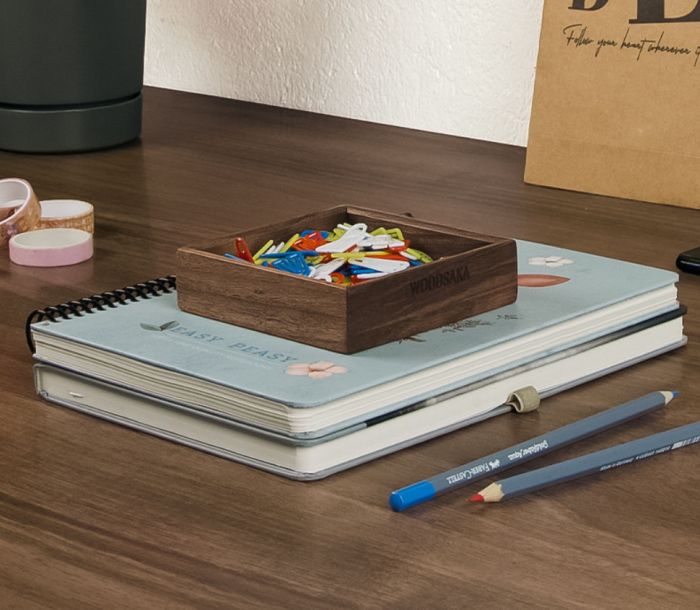
Japanese desk organizers transcend mere aesthetic appeal; they are meticulously crafted tools designed to optimize workspace efficiency and foster a sense of calm. Their modularity and thoughtfully designed compartments facilitate a seamless transition from disarray to focused productivity. The thoughtful integration of these features transforms the desk from a chaotic collection of items to a curated space that supports focused work.Beyond their aesthetic appeal, these organizers are powerful tools for managing clutter and promoting a sense of calm and focus.
The strategically placed compartments, often with distinct sizes and shapes, encourage a deliberate approach to organizing, minimizing distractions and maximizing workspace functionality. This structured approach contributes to a more productive and less stressful work environment.
Compartmentalization for Focused Work
Japanese desk organizers excel at compartmentalization, a key element of a well-organized workspace. Different sizes and shapes of compartments cater to various item types, promoting a visually appealing and functionally sound arrangement. This deliberate categorization of items, from pens and pencils to papers and receipts, fosters a sense of order that transcends aesthetics and directly impacts productivity. The logical division of space is crucial for maintaining focus and reducing the time spent searching for specific items.
Promoting Calm and Focus
A well-organized workspace directly correlates with a more focused and calm mental state. Japanese desk organizers, through their intentional compartmentalization and often minimalist designs, contribute to a sense of order and control. The act of arranging and storing items within designated compartments cultivates a sense of mindfulness and intentionality. This deliberate process helps transition the mind from a state of scattered thoughts to a focused and productive state.
Improving Efficiency
The streamlined organization offered by Japanese desk organizers translates directly into improved efficiency. With items neatly stored in their designated compartments, the time spent searching for specific tools or documents is minimized. This reduction in wasted time allows individuals to concentrate on tasks without the distractions of a cluttered workspace. This translates into a more productive and less stressful workday.
Furthermore, the visual appeal of a well-organized workspace can create a more positive and inspiring atmosphere, enhancing overall efficiency.
Example Usage and Organization Methods
Utilizing the different compartments of a Japanese desk organizer effectively is key to maximizing its benefits. A large compartment can be dedicated to papers and files, sorted by project or category. Smaller compartments can house pens, pencils, erasers, and other stationery items, while specialized compartments can be reserved for sticky notes, clips, and other frequently used tools. This allows for quick and easy access to necessary items without disturbing the overall organization.
| Item Category | Compartment Size/Type | Organization Method |
|---|---|---|
| Papers/Files | Large Drawer/Compartment | Sorted by project, color-coded, or date |
| Stationery | Small Compartments/Trays | Organized by type (pens, pencils, erasers) or color |
| Clips/Binders | Dedicated Section/Drawer | Organized by size or type |
| Sticky Notes | Small, Dedicated Tray | Sorted by project or color-coded |
Practical Applications and Use Cases
Japanese desk organizers, renowned for their aesthetic appeal and functional design, transcend mere aesthetics. Their adaptability extends far beyond a simple storage solution, seamlessly integrating into various professional and personal environments, enhancing both order and productivity. From bustling home offices to meticulously organized craft rooms, these organizers can tailor to diverse work styles and needs, supporting a wide spectrum of tasks.These organizers are more than just containers; they are tools for efficient workflow.
Their thoughtful design, coupled with the emphasis on mindful organization, creates a productive atmosphere that supports focused work and minimizes distractions. Their versatile nature allows them to cater to diverse needs and preferences, transforming the workspace into a haven of efficiency and inspiration.
Applications in Different Professions
Japanese desk organizers offer a practical solution for professionals across various industries. For instance, writers and researchers can utilize these organizers to neatly store reference materials, notebooks, and writing implements. Similarly, designers and artists can benefit from the ability to compartmentalize and categorize their tools and supplies, streamlining their creative processes. The organized storage fosters a sense of calm, allowing for a more focused and productive workflow.
Applications in Home Offices, Studies, and Craft Rooms
In home offices, these organizers can maintain a clutter-free environment, making it easier to locate essential documents and tools. In studies, they can help students stay organized, keeping textbooks, notebooks, and stationery readily accessible. Craft rooms, in particular, benefit significantly from the organizers’ ability to categorize and store various crafting supplies, from paints and brushes to beads and fabrics, leading to a more efficient workflow and reducing time spent searching for materials.
Supporting Different Work Styles
The adaptable nature of Japanese desk organizers allows them to support diverse work styles. Those who prefer a minimalist approach will appreciate the organizers’ clean lines and restrained aesthetic. Conversely, individuals who need more extensive storage options can benefit from the organizers’ modularity and adjustable compartments. Regardless of personal preferences, the organizers’ focus on functionality fosters a sense of control and order, contributing to a more productive and satisfying work experience.
Maintaining Order and Productivity
Japanese desk organizers facilitate the maintenance of order and productivity in various ways. By providing a dedicated space for each item, the organizers reduce the time spent searching for tools and materials, freeing up cognitive space for more focused work. The visual clarity and aesthetic appeal contribute to a more pleasant and organized workspace, leading to improved concentration and efficiency.
In essence, the organizers foster a mindful approach to workspace organization, which, in turn, fosters productivity.
Versatility in Various Settings
| Setting | Use Cases | Key Benefits ||—|—|—|| Home Office | Storing documents, organizing stationery, and keeping personal items neatly arranged. | Enhanced workflow efficiency, minimized clutter, and improved focus. || Student Study Area | Categorizing textbooks, notebooks, and stationery, maintaining a well-organized study space. | Increased study efficiency, improved focus, and reduced distractions. || Craft Room | Storing and organizing various craft supplies like paints, brushes, beads, and fabrics.
| Improved organization, minimized search time, and facilitated creative workflow. || Artist Studio | Categorizing art supplies, organizing reference materials, and creating a well-structured creative environment. | Enhanced creative flow, minimized distractions, and improved focus. || Professional Office | Storing important documents, organizing office supplies, and keeping a professional workspace. | Increased productivity, enhanced efficiency, and improved workflow.
|
Visual Appeal and Aesthetics
Japanese desk organizers, crafted from wood, transcend mere functionality; they are imbued with a quiet elegance that elevates any workspace. Their visual appeal stems from a harmonious blend of design elements, color palettes, and a deep-seated respect for Japanese aesthetics, fostering a serene and productive atmosphere. The careful selection of wood types, finishes, and meticulous attention to detail contribute to a holistic experience that extends beyond the practical.The design and color palettes of these organizers contribute significantly to a tranquil ambiance.
Warm tones of natural wood, complemented by subtle accents of black or deep brown, evoke a sense of grounded calm. The simplicity of the lines and forms, devoid of unnecessary embellishments, allow the natural beauty of the wood to shine through. This minimalist approach, deeply rooted in Japanese design principles, creates a soothing environment conducive to focused work.
Japanese Aesthetic Principles
Japanese aesthetics, particularly the concept of Wabi-Sabi, play a pivotal role in the design of these organizers. Wabi-Sabi embraces the beauty of imperfection, the transience of things, and the natural beauty of asymmetry. This philosophy is reflected in the subtle variations in wood grain, the slight imperfections in the finish, and the natural, unforced lines of the design.
The acceptance of these imperfections adds a sense of authenticity and warmth, contrasting sharply with the often-polished and overly-refined aesthetic of other design approaches. The emphasis on simplicity and functionality further strengthens this approach, encouraging a mindful connection with the natural world.
Color Palette Examples
The color palette significantly influences the visual appeal and overall atmosphere. A range of natural wood tones, from light honey-colored oak to deep walnut, creates a warm and inviting environment. Complementary colors, such as muted greys and blacks, add sophistication and depth, enhancing the sense of serenity. A selection of color palettes are presented below:
| Color Palette | Description | Atmosphere |
|---|---|---|
| Natural Oak with Black Accents | Warm, inviting tones of light oak contrasted with deep black accents. | Serene, grounded, and sophisticated. |
| Walnut with Gray Undertones | Deep brown walnut with subtle gray undertones creating a rich and refined ambiance. | Elegant, contemplative, and sophisticated. |
| Ash with Natural Linen | Light ash wood with linen-colored accents, promoting a light and airy atmosphere. | Calm, airy, and inviting. |
These organizers are not just functional tools; they are thoughtful pieces of art that contribute significantly to a productive and harmonious workspace. Their aesthetic qualities, grounded in Japanese design principles, cultivate a sense of calm and serenity, promoting focus and well-being.
Comparison with Western Desk Organizers
Japanese desk organizers, renowned for their minimalist aesthetic and meticulous functionality, stand in stark contrast to their Western counterparts. While Western designs often prioritize a broader range of storage options and visually assertive styles, Japanese organizers lean towards streamlined solutions and a harmonious integration with the surrounding workspace. This difference in approach reflects distinct cultural values and organizational philosophies.Western desk organizers often emphasize visual appeal and a multitude of storage solutions, accommodating diverse items and personal preferences.
Japanese organizers, however, prioritize a sense of order and efficiency, emphasizing a minimalist aesthetic and a focused approach to organization. This distinction stems from cultural differences in perception of clutter and the ideal workspace.
Design Philosophy
Japanese organizers embody a philosophy of “less is more,” emphasizing a streamlined aesthetic that prioritizes functionality over excessive ornamentation. This approach is rooted in the Japanese concept of “Ma,” the intentional space between objects that creates a sense of balance and harmony. Western designs, conversely, frequently embrace a more assertive aesthetic, with a wider variety of compartments and decorative elements, catering to a broader range of storage needs and personal expression.
Functionality and Organization
Japanese organizers are meticulously designed to optimize space and maximize efficiency. Their compartments and drawers are often carefully sized and shaped to accommodate specific items, promoting a sense of order and minimizing wasted space. Western organizers, while often providing ample storage, might not always be as tailored to the specific needs of the user. The result is sometimes a sense of clutter, despite the availability of storage.
Aesthetic Appeal
The aesthetic of Japanese desk organizers often centers on natural materials, neutral colors, and a subtle elegance. This reflects a preference for understated beauty and a harmonious integration with the surrounding environment. Western designs, in contrast, frequently incorporate bolder colors and more elaborate designs, often reflecting a more personalized and expressive approach to the workspace.
Cultural Context
The cultural context profoundly influences the design choices of both Japanese and Western desk organizers. Japanese culture values order, harmony, and a connection with nature. This emphasis on simplicity and balance is reflected in the design of Japanese organizers. Western culture, on the other hand, often prioritizes individuality, variety, and a wider range of storage options. This manifests in the more diverse and often elaborate designs of Western organizers.
Comparison Table
| Feature | Japanese Desk Organizer | Western Desk Organizer |
|---|---|---|
| Design Philosophy | Minimalist, functional, emphasis on “Ma” (space between objects). | Visual appeal, diverse storage solutions, personal expression. |
| Functionality | Optimized space utilization, specific compartments for items. | Abundant storage, accommodating a wider variety of items. |
| Aesthetic | Natural materials, neutral colors, subtle elegance. | Bold colors, elaborate designs, personalized styles. |
| Cultural Context | Emphasis on order, harmony, connection with nature. | Prioritization of individuality, variety, and personal expression. |
Materials and Construction
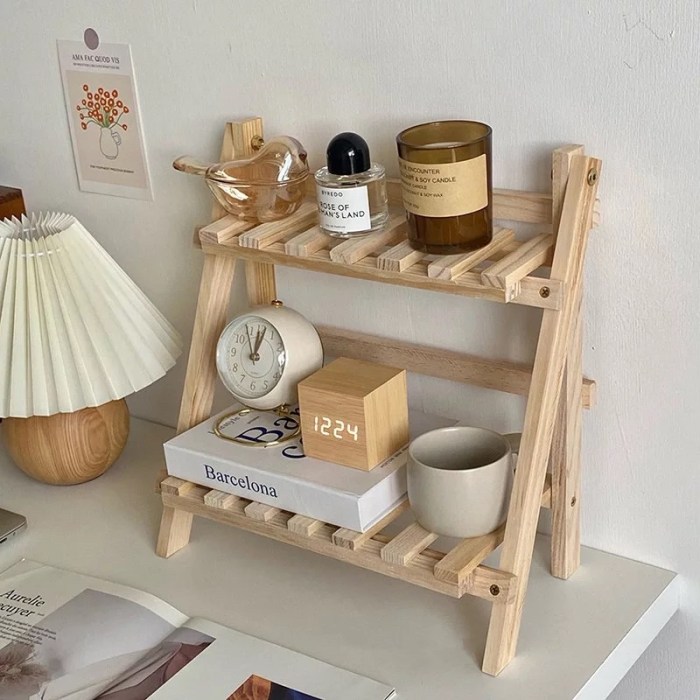
Japanese desk organizers, meticulously crafted from wood, often showcase a commitment to quality and tradition. These pieces are not mere functional objects; they are expressions of the craftsman’s skill and cultural values. The selection of materials and the precision of construction contribute significantly to the enduring appeal and lasting value of these organizers.
Wood Types
Japanese artisans typically favor hardwoods known for their strength, beauty, and workability. These include varieties like Japanese cedar, cherry, and maple. Each wood type offers unique characteristics, influencing the aesthetic appeal and the overall feel of the organizer. Japanese cedar, for instance, is often prized for its subtle aroma and natural resistance to pests, making it an ideal choice for long-term use.
Crafting Techniques
The construction of a Japanese desk organizer frequently involves intricate joinery techniques. Mortise and tenon joints, dovetails, and other traditional methods are commonly employed, ensuring structural integrity and a lasting bond between the various components. These methods, passed down through generations, showcase a deep understanding of wood and its properties. The craftsmanship is often evident in the precise cuts and the tight, seamless fit of the pieces.
Quality and Craftsmanship
The quality and craftsmanship of a Japanese desk organizer are paramount. The meticulous attention to detail, the selection of high-quality materials, and the use of time-honored techniques contribute to the piece’s lasting appeal. These characteristics make a Japanese desk organizer not just a functional item but also a treasured object that enhances the aesthetic of a workspace. Well-crafted organizers often retain their value over time.
Durability and Longevity
Well-made Japanese wooden desk organizers are designed for enduring use. The combination of high-quality wood, robust joinery, and careful finishing contributes to the piece’s resilience. These organizers can serve as heirloom pieces, passed down through generations, while maintaining their aesthetic appeal and functionality. The longevity is a testament to the dedication to quality craftsmanship.
Tools and Techniques
Traditional Japanese woodworkers often employ specialized tools, such as hand saws, chisels, and planes, to create the intricate designs. These tools, passed down through generations, allow for precise control and meticulous shaping of the wood. The techniques, often involving hand-crafting, require a high level of skill and precision. Modern tools may be used, but traditional techniques remain a core aspect of the process.
Construction Steps
| Step | Description |
|---|---|
| 1 | Material Selection and Preparation: Choosing appropriate hardwood, meticulously cutting and preparing the wood for shaping. |
| 2 | Component Design and Cutting: Designing the individual components of the organizer, accurately cutting and shaping each piece to precise dimensions. |
| 3 | Jointing and Assembly: Employing traditional joinery techniques like mortise and tenon, dovetail, or other suitable methods, meticulously fitting and securing the components. |
| 4 | Finishing and Polishing: Applying multiple layers of finish, often with natural oils or waxes, ensuring durability and a beautiful, natural sheen. |
Maintenance and Care
Japanese wooden desk organizers, prized for their aesthetic appeal and enduring quality, require thoughtful maintenance to preserve their beauty and longevity. Proper care ensures these meticulously crafted pieces remain functional and valuable assets for years to come. Ignoring proper maintenance can lead to premature wear and tear, compromising the wood’s integrity and diminishing its visual appeal.A proactive approach to care, including regular cleaning and appropriate polishing techniques, is essential for maintaining the natural luster and structural integrity of wooden desk organizers.
This proactive care regimen extends the life of the organizer, preserving its inherent value.
Preserving the Wood’s Integrity
Regular cleaning and preventative measures are crucial for maintaining the integrity of the wood and its finishes. Dust and debris accumulation can scratch the surface, diminishing the wood’s shine and potentially leading to deeper damage over time.
- Preventing Damage: Frequent dusting is the cornerstone of maintaining a wooden desk organizer’s pristine condition. This simple act can prevent the accumulation of dust, which can scratch the wood over time. Placing the organizer in a location with minimal exposure to direct sunlight and excessive moisture is also beneficial. Avoid placing hot or cold items directly on the surface, as this can lead to warping or cracking.
- Importance of Regular Cleaning: Regular cleaning, ideally weekly or bi-weekly, is vital. This proactive approach prevents buildup of dirt, fingerprints, and other contaminants, which can dull the wood’s natural sheen and lead to staining. Cleaning helps maintain the wood’s natural beauty and prevents the accumulation of harmful elements.
Cleaning and Polishing Methods
Employing the correct cleaning and polishing techniques is crucial for maintaining the wood’s pristine condition. Using abrasive cleaners or harsh chemicals can damage the finish and the wood itself. Always test any cleaning product in an inconspicuous area first to ensure compatibility with the wood type and finish.
- Cleaning Materials: A soft, lint-free cloth, such as a microfiber cloth, is ideal for cleaning. Avoid using rough or abrasive cloths, as these can scratch the wood surface. A damp cloth or a specialized wood cleaner, if needed, can be employed for cleaning. For more stubborn stains, a mild soap solution can be used, but always ensure the surface is thoroughly rinsed and dried.
- Polishing Techniques: Periodic polishing is essential to maintain the wood’s natural luster. Use a high-quality wood polish designed for the specific type of wood and finish. Apply the polish in a circular motion, ensuring even distribution across the surface. Allow the polish to dry completely before placing items on the organizer.
Recommended Cleaning Products and Procedures
A structured approach to cleaning ensures the longevity of the desk organizer. The specific cleaning products and procedures should align with the wood type and finish.
| Wood Type | Finish | Cleaning Product | Procedure |
|---|---|---|---|
| Lacquered Oak | Gloss | Mild soap solution (e.g., dish soap) | Dampen a soft cloth with the solution, gently wipe the surface, and thoroughly rinse with clean water. Dry with a soft, lint-free cloth. |
| Natural Maple | Oil-based | Wood cleaner (e.g., a specialized cleaner for oil-finished wood) | Follow the manufacturer’s instructions for the specific cleaner. Apply a small amount to a soft cloth and gently wipe the surface. Wipe with a clean cloth to remove any residue. |
| Polished Cherry | Polyurethane | Wood polish (e.g., a polish specifically designed for polyurethane finishes) | Apply a small amount of polish to a soft cloth. Buff the surface in a circular motion. Allow the polish to dry completely before using the organizer. |
Market Trends and Popularity

Japanese desk organizers are experiencing a surge in popularity, driven by a confluence of factors including a renewed emphasis on mindful workspace design and the growing appeal of artisanal craftsmanship. This trend reflects a broader shift in consumer preferences toward aesthetically pleasing and functional home goods, particularly in the design-conscious market segment.
Current Market Trends
The market for Japanese desk organizers is experiencing robust growth, fueled by a renewed interest in minimalist design principles and the meticulous craftsmanship associated with Japanese aesthetics. Consumers are increasingly seeking products that enhance both the functionality and the visual appeal of their workspaces. This trend is further amplified by the growing popularity of remote work and the need for well-organized home offices.
Factors Contributing to Popularity
Several factors are contributing to the increasing demand for Japanese desk organizers. The emphasis on clean lines, natural materials, and thoughtful organization resonates with a broad demographic, encompassing both seasoned professionals and younger generations seeking a more aesthetically pleasing and efficient work environment. The quality and durability of these organizers are also key considerations, appealing to consumers who prioritize long-term investments in high-quality products.
Target Audience and Demographics
The target audience for Japanese desk organizers is diverse, encompassing individuals who value both functionality and aesthetics. This includes professionals in various industries, particularly those in creative fields, and students. The design-conscious consumer base, particularly those with a preference for minimalist aesthetics and a desire for high-quality craftsmanship, represents a significant portion of the target market. This demographic often includes individuals who prioritize a curated and harmonious home environment.
Current Design Trends
Several current trends are shaping the design of Japanese desk organizers. The use of natural materials like wood, bamboo, and paper is prominent, highlighting the emphasis on sustainability and a connection to nature. The incorporation of subtle, understated designs, often featuring minimalist patterns and muted color palettes, is another key trend. Additionally, there is a growing interest in organizers that integrate seamlessly with existing home décor.
Summary of Market Trends and Popularity Factors
| Market Trend | Popularity Factor |
|---|---|
| Renewed emphasis on mindful workspace design | Growing desire for aesthetically pleasing and functional home goods. |
| Appeal of artisanal craftsmanship | High-quality materials and meticulous construction. |
| Growing popularity of remote work | Increased need for well-organized home offices. |
| Emphasis on clean lines, natural materials | Resonance with minimalist aesthetics and sustainability. |
| Incorporation of subtle designs | Desire for understated elegance and harmony with home décor. |
Conclusive Thoughts
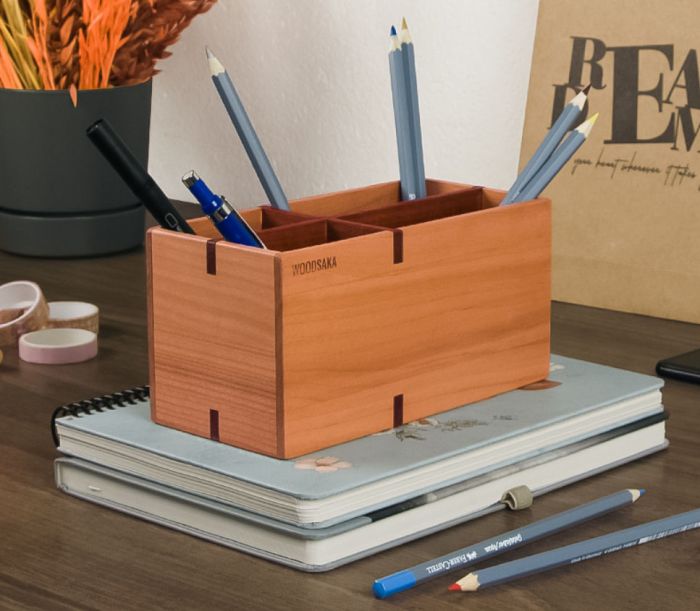
In conclusion, Japanese desk organizers crafted from wood are not merely functional objects; they are expressions of meticulous craftsmanship and mindful design. Their aesthetic appeal, coupled with practical organization solutions, makes them ideal for enhancing any workspace. Understanding the diverse wood types, design elements, and cultural context behind these pieces unlocks a deeper appreciation for their enduring appeal.
