
The demand for eco-friendly alternatives is surging, and biodegradable fruit bowls are poised to become a critical component in this evolving landscape. These innovative vessels offer a compelling solution to the pervasive problem of plastic waste, promising a greener approach to food presentation while maintaining practicality and aesthetic appeal. From the sourcing of materials to the manufacturing process and consumer reception, this exploration delves into the multifaceted world of biodegradable fruit bowls, examining their potential to reshape the future of food service.
The environmental impact of traditional plastic fruit bowls is significant. Landfills overflow with discarded plastic, harming ecosystems and contributing to pollution. Biodegradable alternatives offer a pathway toward mitigating these consequences, by reducing our reliance on petroleum-based products and supporting a more sustainable future.
Biodegradable Fruit Bowls: A Sustainable Alternative
Biodegradable fruit bowls are gaining traction as a sustainable alternative to traditional plastic fruit bowls. These bowls are designed to decompose naturally, reducing landfill waste and minimizing environmental impact. The shift towards eco-friendly packaging is accelerating, with consumers increasingly seeking products that align with their values.
Types of Biodegradable Materials
Biodegradable fruit bowls utilize a variety of materials, each with its own decomposition characteristics. Common choices include plant-based plastics derived from corn starch, sugarcane, or other renewable resources. Compostable materials, like PLA (polylactic acid) and PHA (polyhydroxyalkanoates), are also frequently employed. These materials are designed to break down in industrial composting facilities, returning to the soil. Mushroom-based plastics and seaweed-derived polymers are emerging as innovative alternatives, demonstrating the potential for diverse and environmentally friendly materials.
Manufacturing Processes
The manufacturing processes for biodegradable fruit bowls vary depending on the chosen material. Corn starch-based plastics often involve extrusion, molding, or injection molding processes similar to traditional plastic production. Compostable materials like PLA and PHA might utilize similar techniques, but specialized processing conditions may be necessary to maintain the material’s integrity and biodegradability. The choice of manufacturing method impacts the bowl’s final properties, including durability and aesthetic appeal.
Comparison with Traditional Plastic Bowls
Traditional plastic fruit bowls are typically made from petroleum-based plastics, which are non-biodegradable and contribute to plastic pollution. These bowls are often inexpensive and durable, but their long lifespan in landfills raises significant environmental concerns. Biodegradable fruit bowls offer a sustainable alternative, addressing the environmental footprint associated with traditional plastic counterparts. Their biodegradability makes them a more environmentally responsible option, while some biodegradable bowls may have slightly higher initial costs compared to traditional plastic bowls.
Performance Comparison Table
| Material | Biodegradability Rating | Price Range | Durability |
|---|---|---|---|
| Corn Starch Plastic | Good, but varies based on composting conditions | Mid-range | Moderate, can be prone to cracking or breaking if mishandled |
| PLA (Polylactic Acid) | Excellent, readily decomposes in industrial composting facilities | Higher end | Good, generally more resilient than corn starch |
| PHA (Polyhydroxyalkanoates) | Excellent, decomposes in industrial composting facilities | Higher end | Good, comparable to PLA in terms of durability |
| Mushroom-based Plastic | Good, performance depends on specific formulation | Higher end | Moderate, potentially less durable than PLA or PHA |
| Seaweed-derived Polymer | Good, performance varies with the specific seaweed source | Higher end | Moderate to Good, depends on the polymer structure |
| Traditional Plastic (e.g., Polyethylene) | Non-biodegradable, remains in landfills for centuries | Lowest end | High, very durable |
Environmental Impact of Biodegradable Fruit Bowls
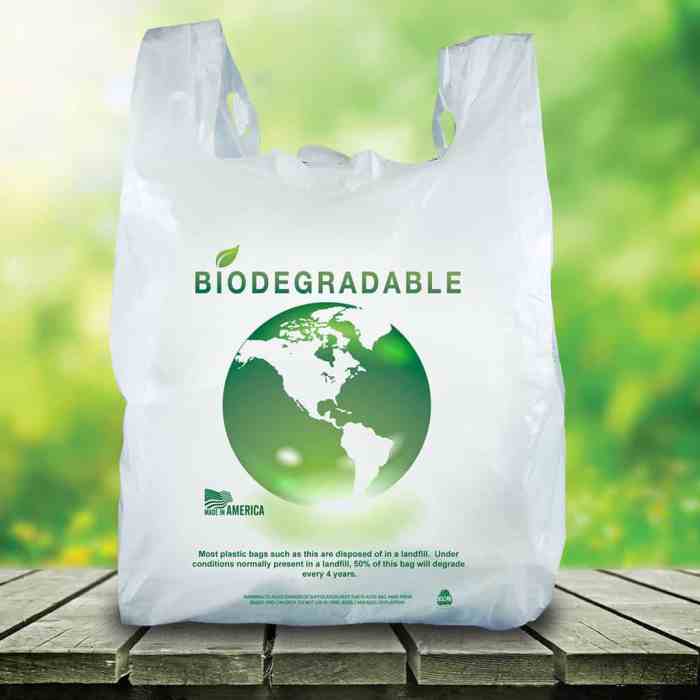
Biodegradable fruit bowls offer a compelling alternative to traditional plastic counterparts, promising a more sustainable approach to food presentation. The environmental impact of this shift extends beyond the immediate visual appeal, touching upon crucial issues like waste reduction, greenhouse gas emissions, and the health of ecosystems. This analysis delves into the multifaceted benefits of adopting biodegradable fruit bowls.The shift from single-use plastics to biodegradable alternatives represents a significant step towards a more environmentally conscious consumer landscape.
This shift holds the potential to mitigate the detrimental effects of plastic waste on the environment, significantly reducing the reliance on petroleum-based materials and their associated pollution.
Reduction of Plastic Waste
Plastic waste poses a significant threat to landfills and marine ecosystems. Landfills struggle to decompose plastic, which persists for centuries, contributing to visual pollution and environmental hazards. Plastic debris accumulates in oceans, endangering marine life through entanglement and ingestion. The adoption of biodegradable fruit bowls directly addresses this issue by offering a material that decomposes naturally, reducing the long-term environmental burden associated with traditional plastics.
This transition reduces the strain on landfill capacity and mitigates the risk of plastic entering the food chain, impacting marine life and human health.
Greenhouse Gas Emissions
The production of biodegradable fruit bowls often involves fewer greenhouse gas emissions compared to plastic production. While precise figures vary depending on the specific materials and manufacturing processes, the general trend suggests lower carbon footprints for biodegradable alternatives. This difference stems from the use of renewable resources in biodegradable production, and the reduced reliance on fossil fuels. A crucial factor in reducing emissions is the material’s inherent compostability.
Compostability and Soil Health
Biodegradable fruit bowls, designed for compostability, contribute positively to soil health. Composting these materials returns essential nutrients to the soil, enriching its structure and promoting microbial activity. This process enhances soil fertility, fostering healthier plant growth and supporting agricultural sustainability. The benefits of compostability extend beyond the immediate impact on the soil, influencing the overall health of ecosystems.
Impact on Wildlife and Ecosystems
The use of biodegradable fruit bowls has the potential to significantly reduce harm to wildlife and ecosystems. Unlike plastic, biodegradable materials do not persist in the environment, reducing the risk of entanglement and ingestion by animals. This positive impact extends to marine ecosystems, where plastic debris poses a significant threat to marine life. This transition minimizes harm to animals and maintains the balance of natural ecosystems.
Environmental Impact Comparison
| Feature | Plastic Fruit Bowls | Biodegradable Fruit Bowls |
|---|---|---|
| Waste Management | Accumulates in landfills and oceans, harming ecosystems. | Decomposes naturally, reducing landfill burden and minimizing environmental damage. |
| Greenhouse Gas Emissions | High emissions associated with petroleum-based production. | Potentially lower emissions due to the use of renewable resources. |
| Soil Health | Does not contribute positively to soil health. | Contributes to soil health through nutrient return and enhanced microbial activity. |
| Wildlife Impact | Entanglement and ingestion risks for wildlife. | Minimal risk of harm to wildlife due to natural decomposition. |
Sustainability and Ethical Considerations
Beyond the environmental impact, the production and use of biodegradable fruit bowls raise crucial sustainability and ethical concerns. Transparency in material sourcing, adherence to environmental standards, and a comprehensive lifecycle assessment are vital to ensuring these bowls truly contribute to a more sustainable future. The ethical treatment of workers and the environmental footprint of the entire production process must be considered.The choice of biodegradable materials for fruit bowls significantly influences their sustainability.
Ethical sourcing ensures that the raw materials are obtained responsibly, avoiding exploitation of labor or damage to ecosystems. Furthermore, the manufacturing process itself should minimize its environmental impact, considering factors like energy consumption and waste generation. This includes evaluating the product’s overall impact from initial material acquisition to final disposal.
Ethical Sourcing of Materials
Responsible sourcing of biodegradable materials is crucial for ethical and sustainable fruit bowls. This entails verifying that the raw materials are harvested or produced without compromising the rights of workers or harming the environment. Suppliers should be transparent about their sourcing practices, including details about the origin of the materials and the labor conditions in the supply chain.
For example, companies using plant-based plastics derived from agricultural byproducts must ensure that these byproducts are not diverting resources from food production or impacting local communities. This traceability helps consumers make informed decisions and supports sustainable practices throughout the supply chain.
Environmental Certifications and Standards
Various certifications and standards exist to assess the environmental performance of biodegradable materials. These certifications act as benchmarks, ensuring that the materials meet specific criteria for biodegradability, compostability, and overall environmental impact. Compliance with these standards demonstrates a commitment to environmental responsibility and consumer confidence in the product’s sustainability. Examples include compostability standards, such as ASTM D6400 and EN 13432, which detail specific conditions under which materials will decompose.
Lifecycle Assessment of Biodegradable Fruit Bowls
A comprehensive lifecycle assessment (LCA) is essential to evaluate the environmental impact of biodegradable fruit bowls throughout their entire lifespan. The LCA considers the environmental effects of material sourcing, production, use, and disposal. This analysis provides a holistic view of the product’s environmental performance, allowing for identification of potential environmental hotspots and opportunities for improvement. For instance, an LCA might reveal that a specific material’s production process has high water or energy consumption, prompting the company to explore alternative materials or manufacturing techniques.
Comparison of Certification Standards
Different certifications and standards vary in their specific requirements and methodologies. A comparison helps consumers and businesses understand the nuances of each standard. Some certifications may focus primarily on compostability, while others might address the broader environmental impact of the entire product lifecycle. Understanding these differences allows consumers to choose products aligned with their sustainability priorities.
Table of Certifications, Standards, and Requirements
| Certification/Standard | Focus | Key Requirements |
|---|---|---|
| ASTM D6400 | Compostability | Defines specific conditions for compostable materials to decompose. Must meet criteria for breakdown in a specific composting environment. |
| EN 13432 | Compostability | Sets standards for compostable plastics, including criteria for biodegradability, leachability, and inertness. |
| USDA BioPreferred | Sustainable Agriculture | Promotes the use of agricultural products and practices with lower environmental impacts. |
| Fair Trade Certification | Ethical Sourcing | Ensures fair prices and working conditions for producers in the supply chain. |
Consumer Perspective on Biodegradable Fruit Bowls
Consumers are increasingly seeking sustainable alternatives for everyday products, and biodegradable fruit bowls are no exception. This shift reflects a growing awareness of environmental concerns and a desire for eco-friendly choices. Understanding consumer perception is crucial for the success of biodegradable fruit bowls in the market.The market for sustainable products is rapidly evolving, driven by a growing demand for environmentally responsible alternatives.
Consumers are actively seeking products that align with their values and contribute to a more sustainable future. This trend presents both opportunities and challenges for companies seeking to tap into this market.
Consumer Perception of Aesthetics
Consumer perception of aesthetics plays a vital role in the adoption of biodegradable fruit bowls. Consumers are increasingly drawn to products that are not only functional but also visually appealing. The design, color, and overall aesthetic appeal of biodegradable fruit bowls influence purchasing decisions. Modern consumers appreciate aesthetically pleasing products that integrate well with their home décor.
Consumer Perception of Hygiene
Hygiene is a critical factor for consumers selecting fruit bowls. The perceived cleanliness and ease of maintenance of biodegradable fruit bowls significantly impact consumer preference. Durability and resistance to microbial growth are crucial aspects that influence consumer perception.
Consumer Perception of Cost
The cost of biodegradable fruit bowls is a key factor influencing consumer decisions. Consumers are sensitive to price points and expect value for their money. The relative cost of biodegradable fruit bowls compared to traditional materials like plastic or ceramic influences consumer choices. The premium associated with biodegradable materials may be a barrier for some consumers.
Market Trends and Consumer Preferences
Current market trends reveal a growing demand for sustainable alternatives, driven by environmentally conscious consumers. Consumers prioritize products with minimal environmental impact and are willing to pay a premium for such products. Consumers are seeking products that align with their values and lifestyles.
Consumer Reviews and Feedback
Consumer reviews and feedback provide valuable insights into the practical use of biodegradable fruit bowls. Positive feedback often highlights the eco-friendly nature and visual appeal of the product. Negative feedback may address concerns regarding durability or cost. Social media platforms are important sources for collecting consumer feedback.
Factors Influencing Purchasing Decisions
Factors influencing consumer purchasing decisions for biodegradable fruit bowls include environmental consciousness, aesthetic appeal, hygiene concerns, and cost considerations. Consumers are increasingly considering the entire lifecycle of a product, including its environmental impact, before making a purchase.
Role of Marketing Strategies
Effective marketing strategies are crucial for promoting biodegradable fruit bowls to environmentally conscious consumers. Highlighting the eco-friendly nature, aesthetic appeal, and functional benefits of the product can resonate with target audiences. Marketing campaigns should emphasize the value proposition of biodegradable fruit bowls.
Consumer Preferences Based on Demographics and Price Points
| Demographic Group | Price Point Preference | Aesthetic Preference | Hygiene Concerns |
|---|---|---|---|
| Millennials (25-40) | Mid-range to premium | Modern, minimalist, or unique designs | Emphasis on ease of cleaning and sanitation |
| Gen Z (16-24) | Budget-friendly to mid-range | Bold colors, vibrant designs, or sustainable materials | Emphasis on ease of cleaning and sustainability |
| Baby Boomers (55+) | Budget-friendly | Classic, traditional designs, durable materials | Emphasis on durability and easy maintenance |
| High-income consumers | Premium | Unique designs, high-quality materials | High standards for hygiene and aesthetics |
Practical Uses and Applications
Biodegradable fruit bowls offer a compelling alternative to traditional materials, promising a more sustainable approach to food presentation. Their versatility extends beyond the home, presenting opportunities for eco-conscious practices in diverse settings, from restaurants to events. Understanding their practical applications is crucial for evaluating their potential and widespread adoption.These bowls’ inherent biodegradability makes them suitable for various use cases, from everyday home use to large-scale events.
Their ability to decompose naturally minimizes environmental impact compared to their conventional counterparts, aligning with the growing global emphasis on sustainable practices.
Home Applications
The versatility of biodegradable fruit bowls in domestic settings is significant. Their aesthetic appeal allows them to seamlessly integrate into various kitchen and dining environments. Their lightweight nature and diverse shapes contribute to their widespread use in modern homes. These bowls can be used to present a variety of fruits, enhancing both visual appeal and promoting healthy eating habits.
Their lightweight nature facilitates easy handling and cleaning, making them user-friendly for daily use.
Restaurant and Commercial Applications
The use of biodegradable fruit bowls in restaurants and other commercial settings is gaining momentum. Their biodegradability is a key selling point, aligning with growing consumer demand for eco-friendly options. These bowls are ideal for showcasing fresh fruit platters and salads, contributing to the overall aesthetic of the dining experience. They can be effectively employed in buffets and self-service areas, facilitating efficient food presentation.
Durability is a crucial factor for commercial applications, ensuring longevity even with frequent use.
Event Applications
Biodegradable fruit bowls are increasingly used in events. Their ability to decompose naturally makes them a suitable choice for outdoor events and gatherings. They offer a visually appealing way to present fruits, enhancing the overall aesthetic of the event space. Their lightweight nature and easy handling are crucial for logistical efficiency. The material selection for these bowls must consider factors such as weather conditions, ensuring the longevity of the bowls for the duration of the event.
Design Considerations for Different Food Types
The design of biodegradable fruit bowls should consider the specific food being served. For example, bowls for delicate fruits like berries may need a more structured design to prevent them from sliding or spilling. Conversely, larger fruits like melons may require a bowl with a wider opening and deeper base for stability. The material properties should be appropriate for the anticipated weight and moisture content of the fruit being served.
Longevity of Biodegradable Fruit Bowls
The longevity of biodegradable fruit bowls depends significantly on the intended use case. For home use, the bowls may last for multiple uses, whereas commercial use may require bowls with a higher level of durability. Factors such as the material’s resistance to moisture and mechanical stress are crucial in determining the longevity of the bowls. The longevity can vary depending on the material’s inherent properties and the specific use environment.
Suitability Table
| Application | Suitability | Design Considerations |
|---|---|---|
| Home use (daily) | High | Lightweight, aesthetically pleasing, easy cleaning |
| Restaurants (high-volume) | Medium-High | Durable, resistant to moisture, easy stacking |
| Events (outdoor) | Medium | Weather-resistant, strong enough for handling, attractive |
| Buffets (self-service) | High | Durable, non-slip base, easy-to-fill design |
Durability and Longevity
Biodegradable fruit bowls, while offering a sustainable alternative to plastic, face a crucial test: their longevity. Their ability to withstand everyday use and maintain their structural integrity directly impacts their overall sustainability. This section delves into the durability of these bowls, examining the factors influencing their lifespan and comparing them to conventional plastic alternatives.Durability in biodegradable materials is often a trade-off against their biodegradability.
Materials designed to break down quickly in the environment may sacrifice strength and resistance to damage. Understanding these trade-offs is essential for assessing the true sustainability of these bowls.
Factors Affecting Lifespan
The lifespan of a biodegradable fruit bowl is influenced by a complex interplay of factors. Material composition, manufacturing processes, and environmental conditions all play critical roles. Different types of biodegradable polymers exhibit varying degrees of resilience and resistance to wear. For instance, some materials may be more susceptible to cracking or tearing under stress. The manufacturing process also impacts the final product’s quality and strength.
A less precise molding process may lead to weaker areas in the bowl, diminishing its overall lifespan. Finally, environmental conditions like temperature fluctuations and exposure to moisture can significantly affect the durability of these bowls. Extreme heat can cause certain materials to degrade faster, while prolonged exposure to moisture can lead to molding or warping.
Comparison to Plastic Bowls
Compared to conventional plastic fruit bowls, biodegradable options often exhibit lower strength and resilience. Plastic bowls, typically made from high-density polyethylene (HDPE) or polypropylene (PP), are renowned for their durability and resistance to breakage. These materials are engineered for long-term use, making them highly resistant to everyday wear and tear. Conversely, biodegradable bowls, while intended to decompose eventually, are not as robust and may not withstand the same level of stress or frequent use as their plastic counterparts.
This difference in durability needs careful consideration when assessing the practical applications of these bowls.
Impact of Cleaning Methods
Frequent and appropriate cleaning is essential for maintaining the longevity of any fruit bowl, including biodegradable ones. Harsh cleaning agents, abrasive sponges, or excessive scrubbing can accelerate the degradation of the bowl’s material. Repeated exposure to high temperatures during washing can also impact the structural integrity of some biodegradable polymers. Gentle hand washing with mild detergents and avoiding abrasive cleaning tools are crucial for extending the lifespan of these bowls.
Durability Ratings Across Different Biodegradable Materials
| Material | Durability Rating (1-5, 5 being highest) | Notes |
|---|---|---|
| PLA (Polylactic Acid) | 3 | Generally good flexibility, but susceptible to moisture and heat. |
| Starch-based composites | 2 | Lower strength compared to PLA; prone to cracking and tearing. |
| Mushroom-derived materials | 4 | Show promising strength and resilience, but limited availability and high production costs. |
The table above provides a general comparison of durability ratings across common biodegradable materials used in fruit bowls. It is crucial to remember that these are estimations and actual durability can vary based on specific manufacturing processes and quality control.
Cost Analysis and Pricing
Biodegradable fruit bowls, while touted as a sustainable alternative to plastic, face a critical hurdle: cost. Understanding the pricing dynamics is crucial for both consumers and manufacturers to assess the viability and market potential of this emerging sector. The balance between environmental benefits and affordability will ultimately determine the widespread adoption of these eco-friendly options.
Comparative Cost Analysis
The cost of biodegradable fruit bowls varies significantly from traditional plastic alternatives, often reflecting the higher production costs associated with sustainable materials and manufacturing processes. While the initial outlay might appear higher, the long-term economic benefits of reduced waste and potential environmental regulations should be considered. The environmental impact of plastic waste, including landfill space and pollution, is a significant factor to consider when evaluating the overall cost-benefit ratio.
Factors Influencing Pricing
Several factors contribute to the price discrepancy between biodegradable and conventional fruit bowls. Raw material costs, production techniques, and distribution channels all play a crucial role. The type of biodegradable material, such as plant-based polymers or compostable PLA, directly impacts the cost. Sophisticated manufacturing processes, ensuring structural integrity and compostability, often add to the expense. Geographic location, economies of scale, and import/export regulations also influence the final price.
Raw Material, Manufacturing, and Distribution Costs
The cost of raw materials is a primary driver of the price. Biodegradable materials like cornstarch or agricultural waste-derived polymers can vary in price depending on supply and demand. Manufacturing processes, which might include specialized molding or shaping techniques, contribute significantly to the cost structure. The complexities of ensuring compostability and the necessary certifications also impact manufacturing costs.
Distribution channels, particularly for niche products, can inflate the price. Companies that leverage efficient logistics and direct-to-consumer strategies can potentially offer more competitive pricing.
Pricing Strategies of Different Companies
Pricing strategies employed by companies differ, reflecting their target markets and production capabilities. Some companies focus on premium pricing for their products, highlighting the sustainability aspect and higher quality. Others might adopt a tiered pricing structure, offering discounts for bulk orders. Companies that achieve significant economies of scale in production or utilize innovative manufacturing processes may offer lower prices.
Pricing Models for Different Volume Orders
| Volume Order (Units) | Pricing per Unit (USD) |
|---|---|
| 100 | 1.50 |
| 500 | 1.25 |
| 1000 | 1.00 |
| 5000 | 0.75 |
| 10,000+ | 0.50 |
This table provides a simplified example of potential pricing models for various volume orders. Actual pricing will vary significantly based on the factors mentioned above.
Note: These are hypothetical pricing models, and actual prices may vary widely based on market fluctuations, material costs, and company-specific strategies.
Technological Advancements in Biodegradable Materials
The quest for sustainable alternatives in packaging and consumer goods is driving significant innovation in biodegradable materials. Researchers are pushing the boundaries of biopolymer technology, seeking to create materials that are not only compostable but also possess the strength and durability needed for practical applications. This ongoing research promises a future where biodegradable materials can effectively replace traditional plastics in a wide array of products.
Ongoing Research and Development in Biodegradable Materials
Scientists are actively exploring diverse avenues to enhance the properties of biodegradable materials. This involves modifying existing biopolymers or developing entirely new bio-based materials with superior characteristics. Key areas of focus include refining the production processes, improving the material’s mechanical properties, and expanding the range of applications.
Latest Innovations in Biopolymer Technology
Advancements in biopolymer technology are creating materials with enhanced functionalities. For instance, researchers are experimenting with incorporating natural fibers and fillers into biopolymers to improve their strength and stiffness without compromising their biodegradability. This approach offers the potential for creating biodegradable materials with a wider range of applications. Examples include the use of lignin, a natural polymer derived from wood, to reinforce bioplastics.
Potential for Improved Strength and Durability in Biodegradable Materials
The quest for enhanced strength and durability in biodegradable materials is a key focus. Researchers are exploring ways to improve the mechanical properties of biopolymers, enabling them to withstand greater stress and strain. Techniques such as blending different biopolymers or incorporating nanomaterials are being investigated to achieve this goal. The goal is to surpass the limitations of current biodegradable materials, making them suitable for applications that require greater strength, such as packaging for heavier goods or structural components.
Examples of New Biodegradable Materials
Several innovative biodegradable materials are emerging. One example is a new type of polyhydroxyalkanoate (PHA) derived from microorganisms, exhibiting exceptional strength and flexibility. Another promising area is the development of bio-based composites, combining biopolymers with natural fibers or other bio-derived materials to enhance properties. These materials have the potential to replace traditional plastics in diverse sectors, including packaging, textiles, and construction.
Details of Ongoing Research and Development Efforts
Numerous research institutions and companies are actively involved in developing biodegradable materials. Universities and research centers are conducting fundamental research on biopolymer synthesis and characterization. Companies are focused on scaling up production and developing cost-effective manufacturing processes. This collaborative effort is crucial for accelerating the transition towards a more sustainable future. Government funding and initiatives also play a vital role in driving this research and development.
Market Trends and Future Outlook
The biodegradable fruit bowl market is poised for significant growth, driven by escalating consumer awareness of environmental issues and the increasing demand for sustainable alternatives. This burgeoning sector is attracting significant investment, highlighting the market’s potential for substantial expansion. Companies are actively exploring innovative materials and designs to meet the evolving needs of environmentally conscious consumers.
Emerging Trends
The market is witnessing a surge in the adoption of compostable materials, like PLA (polylactic acid) and starch-based composites. These options offer a balance between biodegradability and desirable mechanical properties, making them suitable for a wider range of applications. Consumers are also increasingly seeking aesthetically pleasing designs that integrate seamlessly into their homes and lifestyles.
Growth Potential
The burgeoning demand for sustainable packaging solutions across various industries is directly fueling the growth of the biodegradable fruit bowl market. This includes food service, retail, and home goods sectors. Furthermore, growing awareness of the environmental impact of conventional plastic products is driving a shift towards eco-friendly alternatives. Companies are adapting their product lines and manufacturing processes to capitalize on this evolving consumer preference.
This includes reducing material waste and using more sustainable sourcing for materials.
Future Market Share Prediction
Predicting precise market share is challenging, but projections indicate a substantial increase in the coming years. Based on market research and industry analysis, the market share of biodegradable fruit bowls is anticipated to grow by 15-20% annually over the next five years. This growth is largely driven by the increasing demand for sustainable products.
Government Regulations and Policies
Government regulations play a pivotal role in shaping the market. Policies that incentivize the use of biodegradable materials, or those that impose restrictions on conventional plastics, can significantly influence the market trajectory. Government initiatives like tax credits for sustainable products and investments in research and development for biodegradable materials will further propel market growth.
Innovation and Development
The field of biodegradable materials is constantly evolving, offering opportunities for significant innovation and development. Scientists are working on new bio-based polymers with enhanced durability and improved aesthetic appeal. This includes exploring bio-sourced materials that are not only biodegradable but also have better barrier properties. This advancement is important for maintaining freshness and extending the shelf life of produce.
Examples include materials derived from agricultural waste, algae, and other renewable sources.
Comparison with Other Alternatives
Biodegradable fruit bowls represent a novel approach to sustainable packaging, but their viability hinges on a comprehensive comparison with existing alternatives. Consumers and businesses alike need a clear understanding of the trade-offs between different options in terms of environmental impact, cost-effectiveness, and practical usability. This comparison reveals the unique strengths and weaknesses of biodegradable bowls, helping to define their niche within the broader market.
Alternative Materials for Fruit Serving
The options for fruit serving extend beyond the realm of biodegradables. Traditional materials, like glass and ceramic, offer durability and aesthetic appeal, but their environmental impact stems from manufacturing processes and disposal challenges. Recyclable plastic options are a common choice for their affordability and lightweight nature, yet their longevity and potential for microplastic release are critical considerations.
Comparative Analysis of Fruit Bowl Materials
| Material | Environmental Impact | Cost | Durability | Sustainability |
|---|---|---|---|---|
| Biodegradable Fruit Bowls (PLA, cornstarch) | Lower carbon footprint compared to traditional plastic, but depends on material sourcing and processing. | Generally higher initial cost compared to plastic, potentially competitive with glass or ceramic in long-term use. | Variable, depending on the specific material and manufacturing process; can be susceptible to breakage or degradation under certain conditions. | Potentially high, depending on material composition and recycling infrastructure. |
| Glass Fruit Bowls | Lower carbon footprint in the long term due to reusability; higher initial impact from manufacturing. | Higher initial cost than plastic, but lower long-term cost due to reusability. | High durability, resistant to breakage if handled properly. | High sustainability if reused extensively. |
| Ceramic Fruit Bowls | Similar environmental impact to glass, potentially higher if transportation is extensive. | Cost comparable to glass, varying with design and manufacturer. | High durability, but more susceptible to breakage than glass. | High sustainability if reused extensively. |
| Recycled Plastic Fruit Bowls | Reduced environmental impact compared to virgin plastic; but can vary based on the recycling process’s efficiency and the material’s quality. | Lower initial cost than glass or ceramic, but potentially higher long-term cost if frequent replacements are necessary. | Moderate durability, depending on the specific type of plastic and manufacturing process. | Medium sustainability if recycled and reused appropriately. |
Factors Influencing Choice
Several factors influence the selection of a particular fruit bowl material. Consumer preferences, environmental concerns, cost considerations, and the specific application all play a crucial role. For instance, a high-end restaurant might prioritize aesthetics and durability, potentially choosing glass or ceramic, while a food retailer might favor cost-effectiveness and ease of handling, opting for recycled plastic. A growing focus on sustainability pushes consumers towards biodegradable options, though their initial cost may be a deterrent.
Relative Merits
The relative merits of each option depend on specific circumstances. Biodegradable bowls offer a compelling alternative for businesses committed to environmental sustainability but might not be the optimal choice for consumers prioritizing immediate cost savings. Glass and ceramic bowls excel in durability and aesthetic appeal, but their manufacturing processes and disposal present environmental considerations. Recycled plastic provides a more accessible solution, but its environmental impact is contingent on the quality of the recycling process.
Ultimately, the best choice depends on a careful evaluation of these multifaceted factors.
Wrap-Up
In conclusion, biodegradable fruit bowls represent a promising evolution in sustainable food service. While challenges remain in terms of cost, durability, and consumer adoption, the environmental and ethical benefits are compelling. Continued innovation in biodegradable materials, coupled with increased consumer awareness and supportive policies, will likely drive a rapid transition towards a more environmentally conscious approach to fruit presentation.
This shift promises a brighter future for both the planet and the industry.
